
The Afterlife of Empire
The Afterlife of Empire brings together artists from South Africa and Nigeria whose work considers how colonial histories continue to shape the present.
The exhibition looks at the ways power, race, extraction, migration, nationalism and inequality remain part of contemporary life. Although colonial rule formally ended, many of the structures it produced continue in different forms. They can be seen in our institutions, economies, identities and in the ways we understand ourselves and one another.
But the exhibition is not simply about what remains.
It is also about what can change.
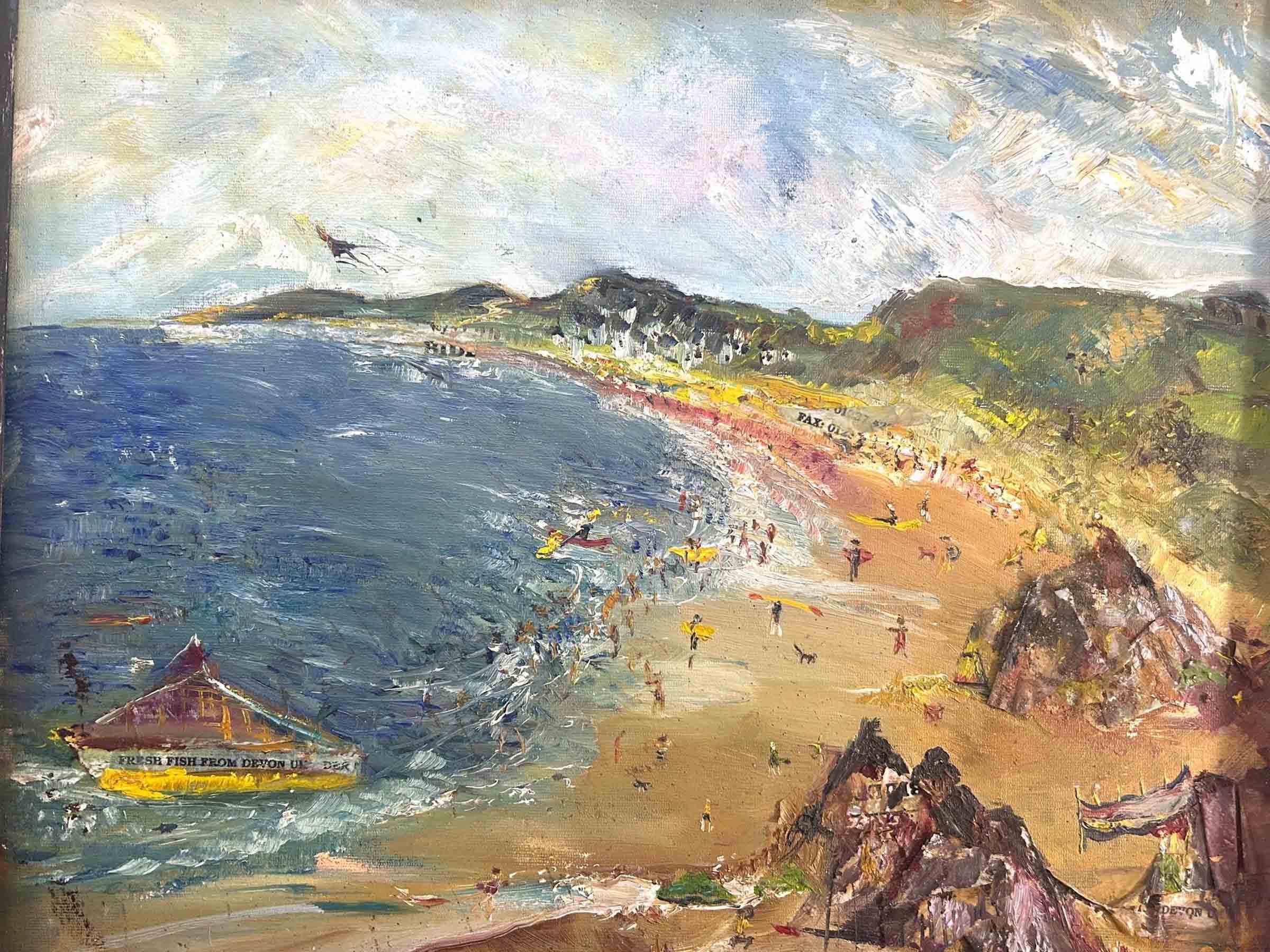
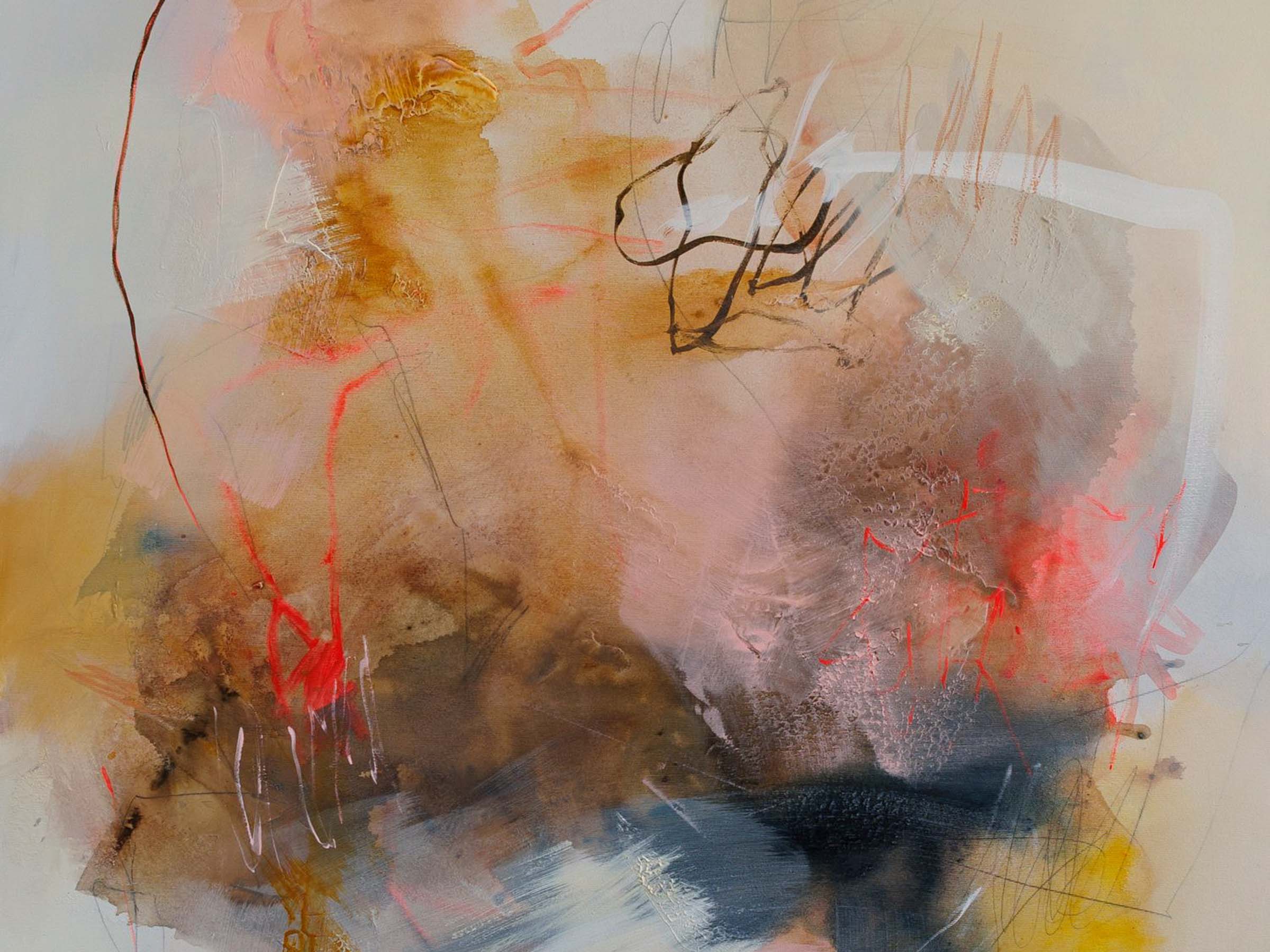
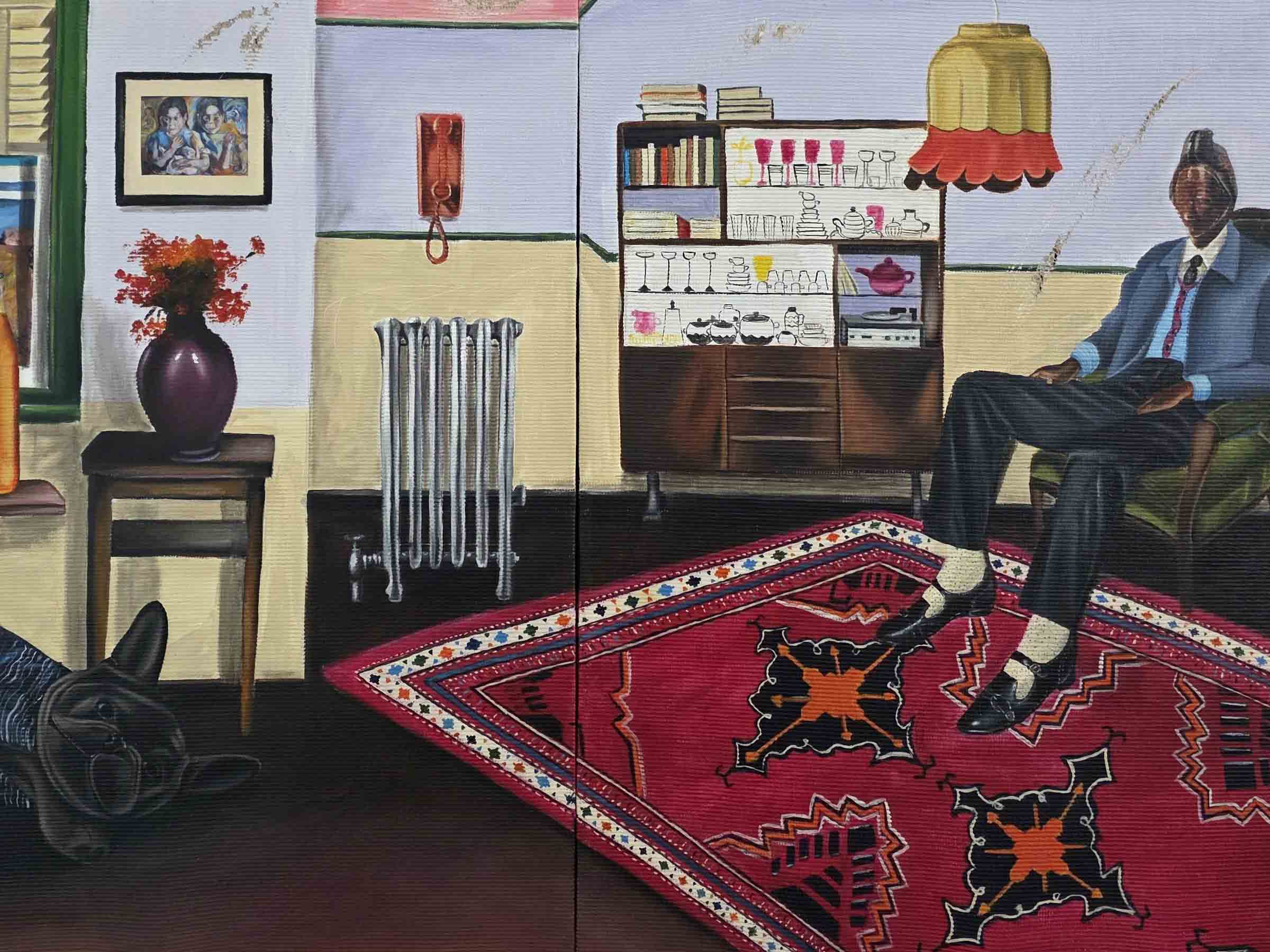
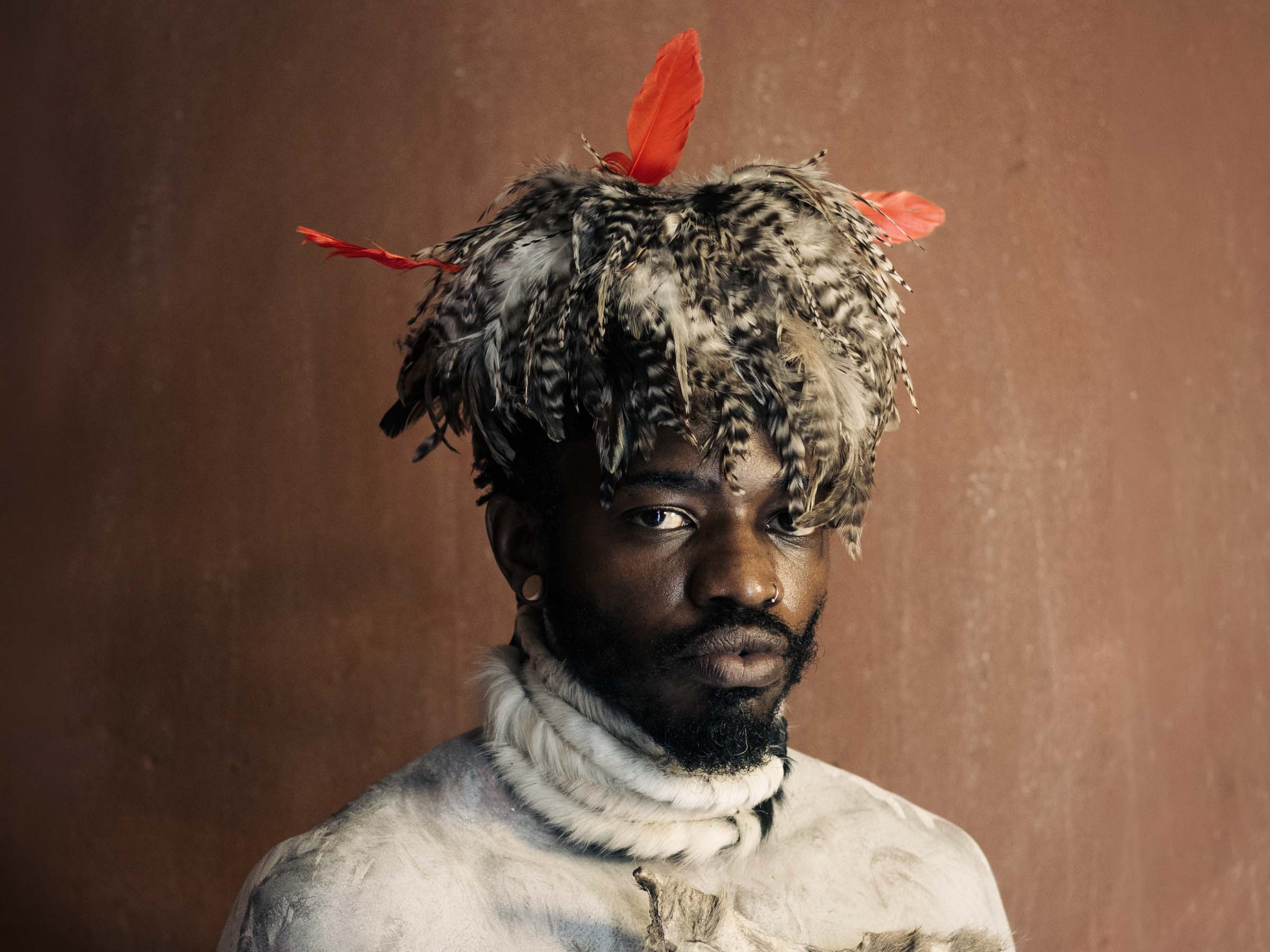
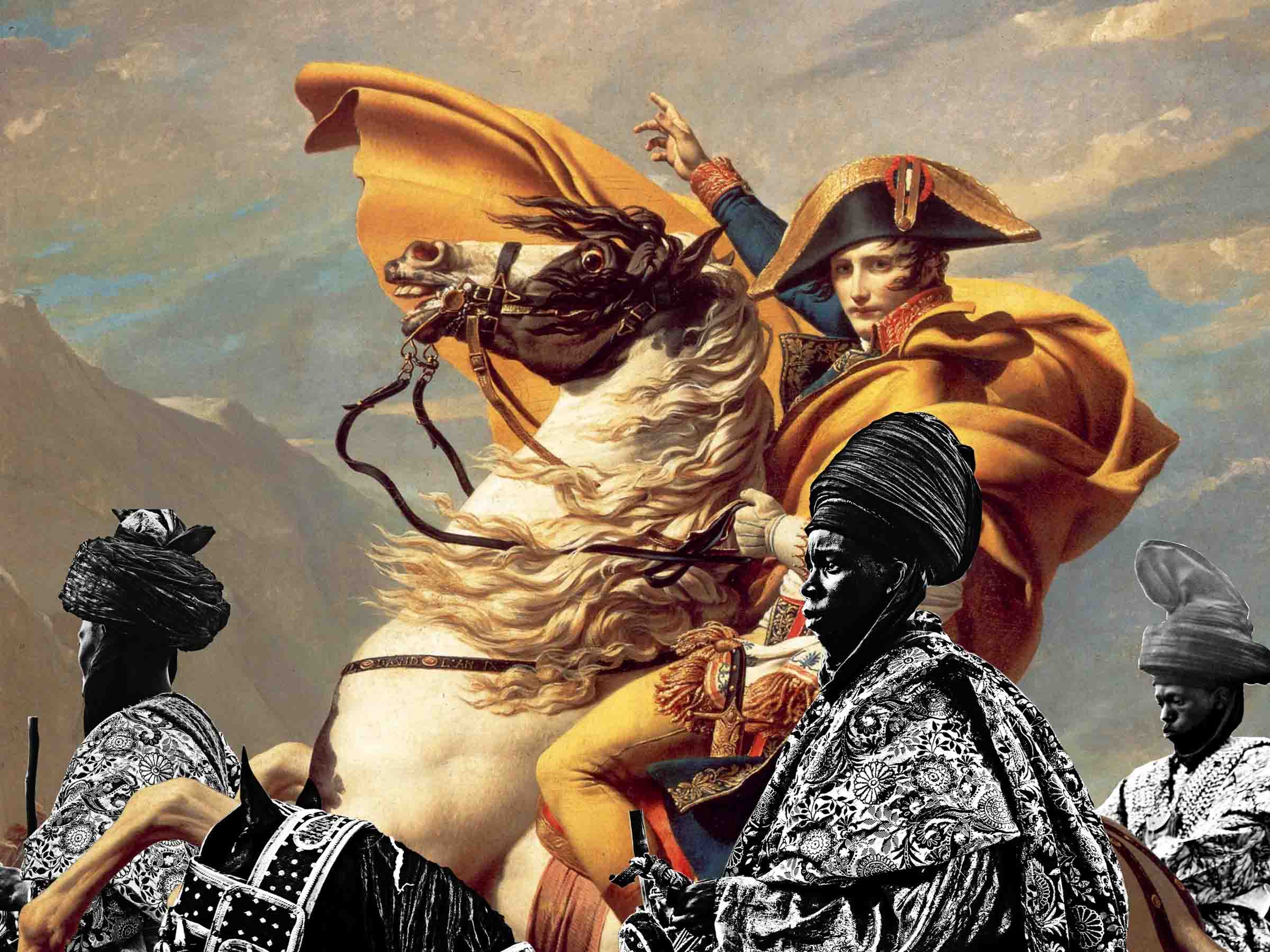
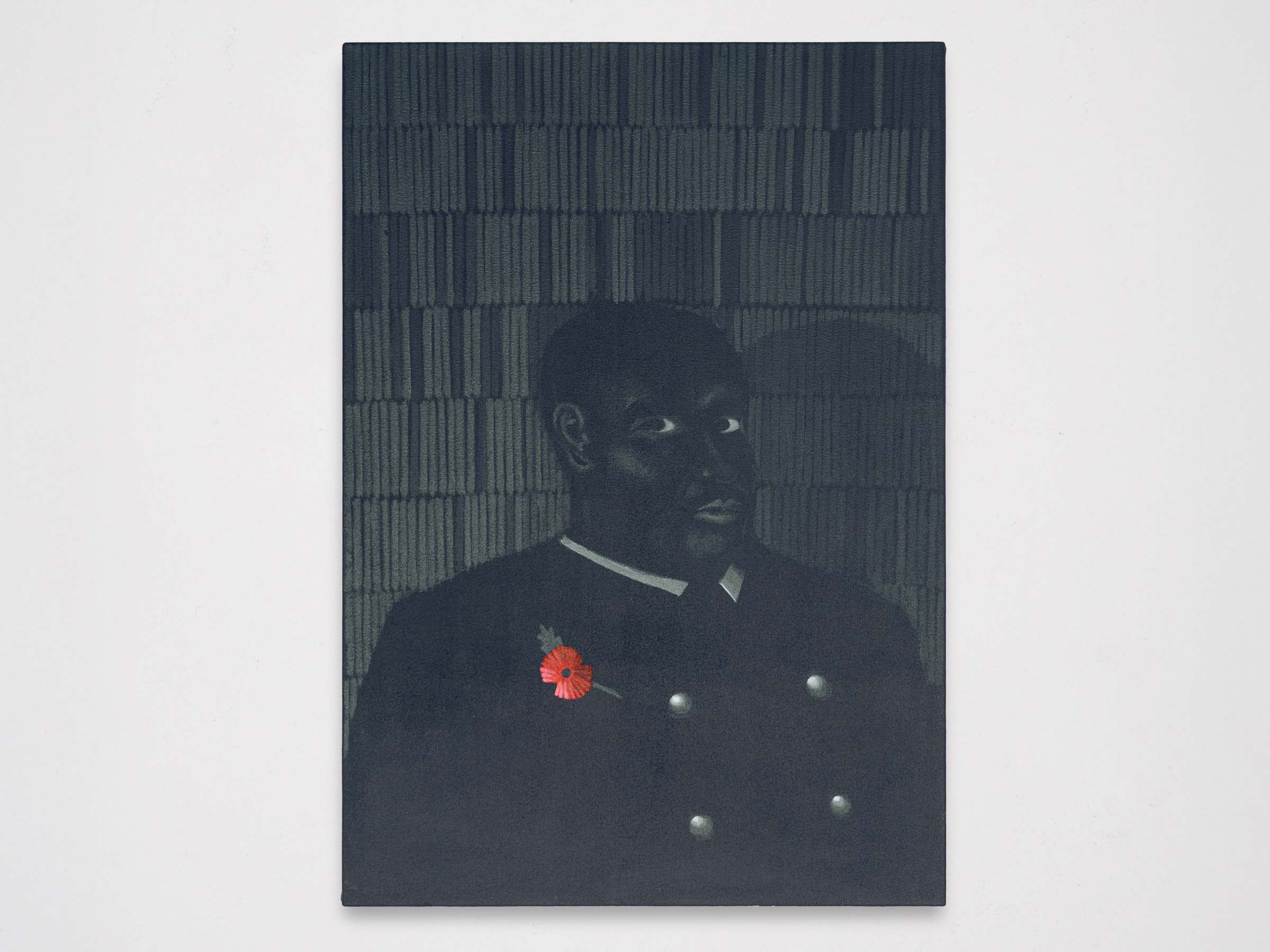
The artists work with inherited images, histories and symbols, but they do not simply repeat them. They alter, question and reimagine them. Painting, photography, sculpture, installation, performance and mixed media become ways of looking again at histories that have often been told from a single point of view. Materiality is important here. Oil paint, with its long association with European art and systems of representation, appears alongside spray paint, acrylic, textiles, photography, costume and other contemporary materials. These combinations create tensions between the old and the new, permanence and change, memory and invention. The body is another important site within the exhibition. It appears as a place where histories of race, gender, religion and power are carried, performed and challenged. Questions of identity are not presented as fixed. Instead, they remain open, unstable and capable of transformation. Queer and gender-diverse practices are particularly important in this regard, suggesting that the freedom to imagine and inhabit oneself differently is also connected to wider ideas of citizenship and democracy.
There is also a quieter dimension to the exhibition: the psychological and spiritual afterlife of history. What remains after political systems change?
What is carried in memory, in the body, in belief and in everyday life?
In this sense, the exhibition resonates with the writing of Bessie Head, particularly her attention to the inner lives of people living through histories of displacement, violence and uncertainty. History is not only something that happens around us. It becomes part of how we think, feel and imagine the world.
The Afterlife of Empire therefore does not attempt to resolve the past. Instead, it asks us to look at the ways the past continues to live within the present and to consider what might become possible when inherited histories are questioned, reworked and imagined differently.